Creating a calm and productive home office can significantly improve your work experience and output. With many people working from home, having a dedicated space that fosters focus and reduces stress is more important than ever. Whether you have a small nook or a whole room to spare, these tips will help you design an environment that supports your best work.
Choose the Right Location
Selecting the perfect spot for your home office lays the foundation for both comfort and productivity.
– Quiet and Private: Find a space away from household noise and distractions, ideally a room with a door.
– Natural Light: Position your desk near a window to benefit from daylight, which can improve mood and alertness.
– Good Ventilation: Fresh air can keep you alert and improve concentration. Avoid stuffy or cramped spaces.
Organise Your Workspace
An organised workspace sets the tone for a clear mind and efficient work habits.
– Declutter Regularly: Keep only essential items on your desk to avoid distractions.
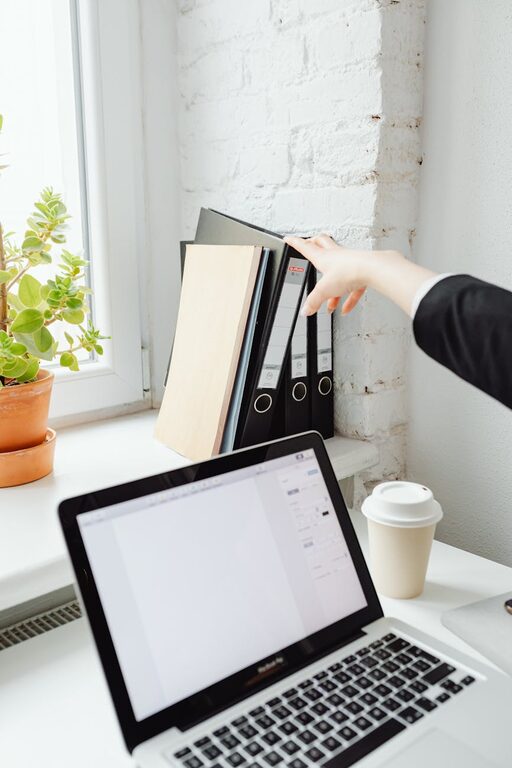
– Storage Solutions: Use shelves, drawers, or boxes to keep documents and supplies neatly stored.
– Cable Management: Use clips or covers to keep cords tidy and prevent a messy look.
Invest in Comfortable and Ergonomic Furniture
Comfort plays a big role in maintaining focus and preventing physical strain during long working hours.
– Ergonomic Chair: Choose one that supports your back and promotes good posture.
– Adjustable Desk: If possible, consider a sit-stand desk to change positions throughout the day.
– Proper Desk Height: Your desk should allow your arms to rest comfortably at a 90-degree angle.
Minimise Digital Distractions
Keeping your digital space organised can reduce interruptions and improve focus.
– Notification Settings: Turn off unnecessary notifications on your computer and phone.
– Use Productivity Apps: Tools like timers or blockers can help maintain concentration on tasks.
– Separate Work Accounts: Having dedicated email and chat accounts for work helps set boundaries.
Personalise Thoughtfully
Adding personal touches can make your office feel inviting, but keep it balanced to avoid clutter.
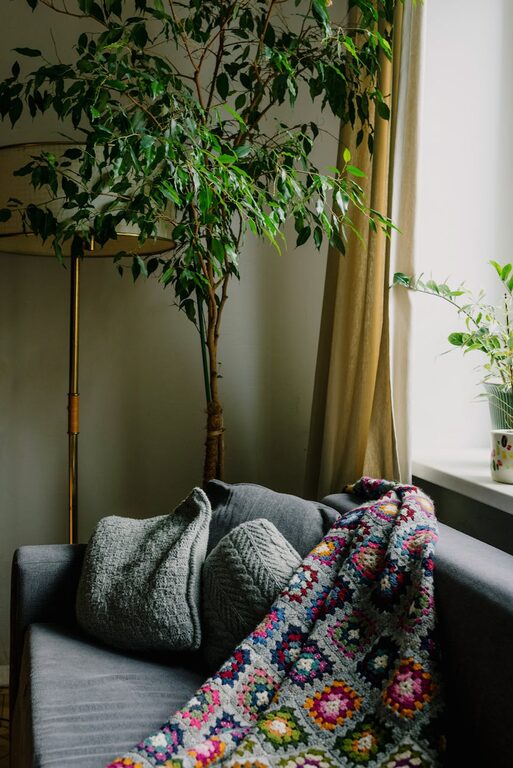
– Plants: Indoor plants not only improve air quality but also create a calming atmosphere.
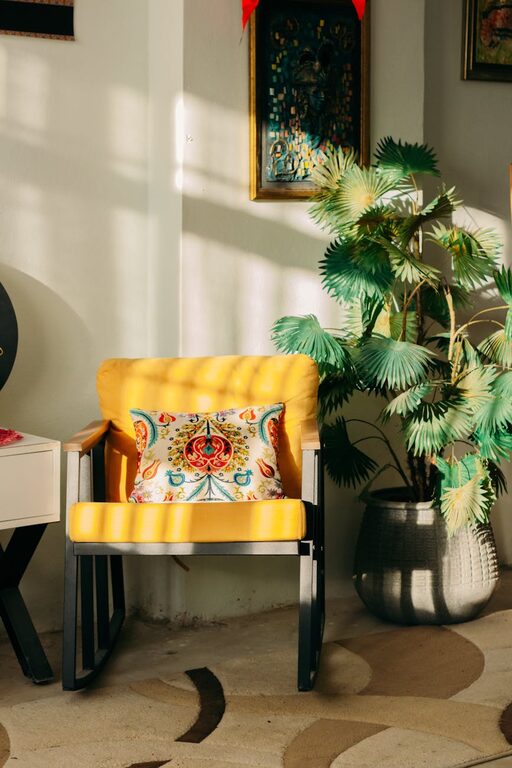
– Artwork: Choose simple, inspiring pieces to decorate walls without overwhelming the space.
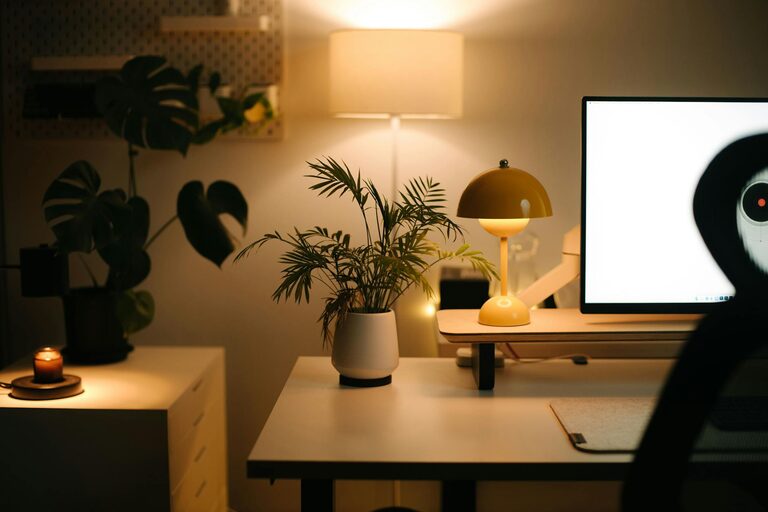
– Lighting: Use a desk lamp with adjustable brightness to reduce eye strain, especially during darker hours.
Establish a Routine and Boundaries
Creating habits and limits helps your mind switch into work mode and prevents burnout.
– Set Work Hours: Define clear start and finish times to separate work from personal life.
– Breaks Matter: Schedule regular breaks to rest your eyes and stretch your body.
– Communicate Boundaries: Let family or housemates know your work hours to minimise interruptions.
Incorporate Soothing Elements
A calm environment supports mental clarity and reduces stress levels.
– Sound: Consider soft background music or white noise to drown out distractions.
– Aromatherapy: Light scents like lavender or eucalyptus can create a relaxing atmosphere.
– Colour Scheme: Use soft, neutral colours on walls and furniture to foster calmness.
Keep Your Technology Updated
Reliable and efficient technology prevents frustration and keeps work flowing smoothly.
– Regular Updates: Keep your operating system and software up to date.
– Backup Data: Use cloud services or external drives to safeguard your work.
– Good Internet Connection: Ensure your internet speed meets the demands of your tasks.
Final Thoughts
Designing a calm and productive home office takes some planning but can make a significant difference in your daily performance and well-being. By choosing the right location, organising your space, and integrating comfort and personal touches, you create a positive work environment tailored to your needs. Remember, the key is balance—an office that feels both professional and welcoming will help you stay motivated and focused every day.
About the Author