Creating a productive home workspace is essential for anyone who works from home or spends considerable time on personal projects. Whether you’re a remote worker, freelancer, or someone who simply wants a designated area for focused tasks, having the right environment can make all the difference. In this post, we share practical tips on how to design a home workspace that encourages productivity, comfort, and well-being.
Why a Dedicated Home Workspace Matters
Working in a space that is separate from your living area helps your brain switch into “work mode.” It reduces distractions and boosts your ability to concentrate. When your workspace is clutter-free and well-organised, you’ll feel more motivated and less stressed. Even if space is limited, creating a functional and pleasant work area can elevate your daily routine.
Choose the Right Location
Picking an appropriate spot in your home is the first step. Ideally, your workspace should be:
– Quiet and free from interruptions: This will help you focus better.
– Near natural light: Sunlight improves mood and alertness.
– Well-ventilated: Fresh air keeps you refreshed.
If a separate room isn’t possible, consider a corner or a spot that you can dedicate exclusively for working.
Invest in Comfortable Furniture
Comfort is key to long-term productivity. Poor seating or desk arrangements can lead to discomfort and health problems like back pain.
– Choose an ergonomic chair that supports your spine.
– Use a desk at the right height to avoid strain on your wrists and shoulders.
– Consider sit-stand desks or desk converters to change positions during the day.
Investing in quality furniture doesn’t have to be expensive; second-hand or adjustable options may offer good value.
Organise Your Workspace Efficiently
A tidy workspace helps minimise distractions and keeps your mind clear. Here are some ideas to keep your area organised:
– Use storage boxes, shelves, or drawers to keep supplies out of sight.
– Label items clearly so you can find things quickly.
– Keep electronic cords organised with clips or ties.
– Adopt a “clean desk” habit, clearing your workspace at the end of each day.
Personalise Your Space Thoughtfully
Adding personal touches can make your workspace inviting and motivating, but avoid clutter that can become distracting.
– Use photos, plants, or artwork that inspire you.
– Choose a colour scheme that feels calming yet energising.
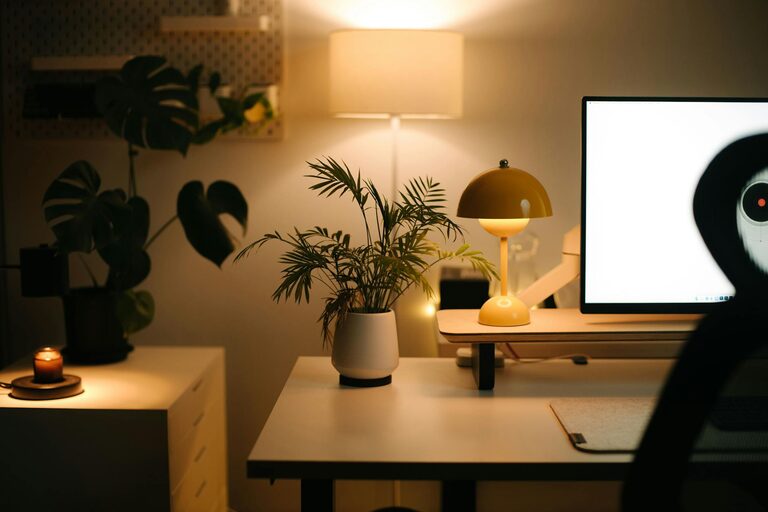
– Use a desk lamp with warm light for evening work.
Minimise Digital Distractions
Even in the best workspace, digital interruptions can hurt productivity. Try these strategies to stay focused:
– Turn off non-essential notifications on your phone and computer.
– Use productivity apps or timers to structure work sessions.
– Close browser tabs that are not related to your current task.
Establish a Routine
Your workspace will only be effective if paired with good habits. Setting and sticking to a work routine can help:
– Start and finish work at regular times.
– Take short breaks for stretching and rest.
– Use your workspace only for work to mentally separate tasks from leisure.
Optimise Lighting and Acoustics
Good lighting reduces eye strain and keeps you alert. Similarly, controlling noise creates a better environment:
– Position your desk so windows provide indirect natural light.
– Use adjustable desk lamps for focused tasks.
– Consider noise-cancelling headphones or background music if you live in a noisy area.
Keep Essentials Accessible
Keep frequently used items within easy reach to improve workflow:
– Place your keyboard, mouse, and notepads near your dominant hand.
– Store reference materials or chargers close by.
– Use a calendar or planner visible from your desk to stay organised.
Take Care of Your Well-being
The workspace should support your health as much as your work goals.
– Remember to get up regularly and move around.
– Add some greenery, such as a small plant, to improve air quality and mood.
– Maintain good posture and invest in ergonomic accessories if needed.
Final Thoughts
A productive home workspace is more than just a desk and chair; it’s a thoughtfully arranged environment that supports your focus and comfort. By considering location, furniture, organisation, lighting, and routines, you can create a space where working from home feels natural and efficient. Start with small changes and tune your workspace to your needs—you’ll soon notice the positive impact on your productivity and wellbeing.
About the Author