Creating a relaxing outdoor garden space at home is a wonderful way to enjoy nature, unwind after a busy day, and make the most of your garden area. Whether you have a spacious garden or just a small patio, there are plenty of ways to transform your outdoor space into a calming retreat. In this post, we’ll explore practical tips that anyone can follow to design a garden that promotes peace and relaxation.
Choose the Right Location
Start by selecting the best spot in your garden or yard where you want to create your relaxing area. Ideally, this should be a quiet part of your outdoor space, sheltered from noisy roads or neighbours. Consider areas that get good sunlight for most of the day if you enjoy bright spaces, or those with some natural shade for cooler comfort.
Design Comfortable Seating Areas
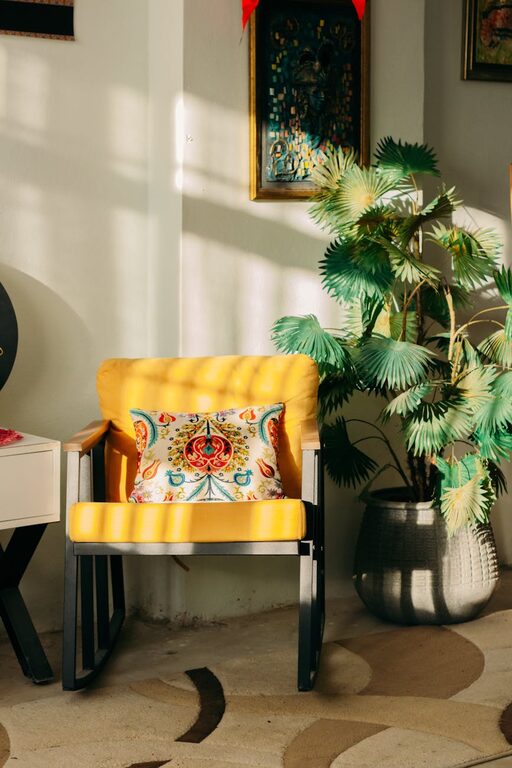
Comfort is key when it comes to a relaxing garden. Invest in garden furniture that encourages relaxation, such as cushioned chairs, hammocks, or a garden bench with soft pillows. Weather-resistant materials like treated wood, aluminium, or rattan are great choices as they require less maintenance and hold up well outdoors.
– Arrange seating to face the nicest views in your garden.
– Add an outdoor rug for extra comfort and style.
– Consider a table for morning coffee or afternoon tea.
Incorporate Natural Elements
A garden feels most peaceful when surrounded by elements of nature. Use a mix of plants, water features, and natural textures to create an inviting atmosphere.
Plant Selection
– Choose plants that offer year-round interest such as evergreen shrubs, flowering perennials, and aromatic herbs.
– Add plants with calming colours such as soft greens, pastels, or lavender tones.
– Include plants that attract wildlife, like birds and butterflies, to bring gentle activity and sounds.
Water Features
The gentle sound of water can enhance relaxation. Small fountains, birdbaths, or garden ponds are perfect for this purpose. Even a simple water bowl with floating candles can provide a tranquil effect.
Natural Textures
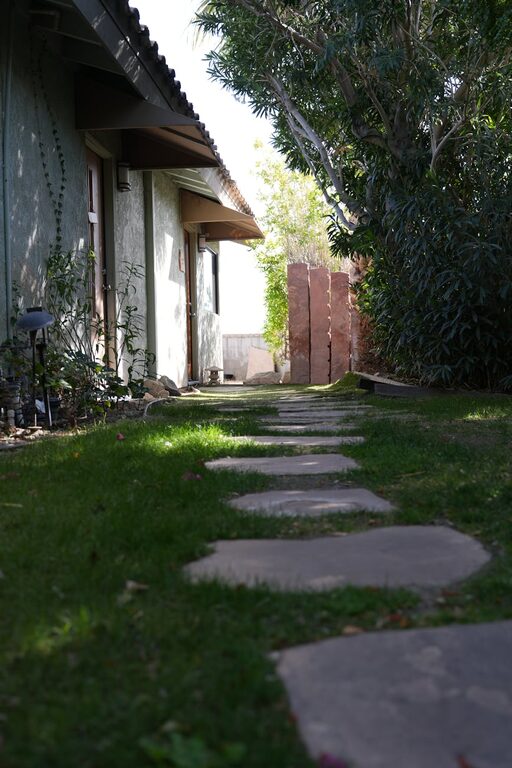
Incorporate natural materials like stone, wood, and gravel in your paths, seating areas, or borders to add texture and harmony. A wooden pergola or trellis can add height and interest, especially when planted with climbing plants.
Create Privacy and Shelter
Privacy helps you fully relax without feeling exposed. Use hedges, tall plants, trellises with climbing vines, or garden screens to create secluded spots. Adding a canopy, large parasol, or pergola will give shelter from the sun or light rain, making your garden usable in various weather.
Add Soft Lighting
Soft, ambient lighting can extend the enjoyment of your garden into the evening and create a cosy atmosphere. Solar-powered garden lights, lanterns, fairy lights, or candles are all excellent choices. Place lights along pathways, near seating areas, and around plants for a gentle glow.
Use Fragrant Plants and Decorative Elements
Scents can play a big role in relaxation. Plant fragrant flowers like jasmine, lavender, or gardenia near your seating space. You might also include pots of herbs like mint or rosemary which release fresh aromas when brushed against.
Decorative elements such as sculptures, wind chimes, or colourful cushions and throws can personalise your garden, making it more welcoming and soothing.
Keep It Simple and Clutter-Free
Part of creating relaxation is having a tidy and organised space. Avoid overcrowding your garden with too many furniture pieces or decorations. Keep pathways clear and maintain your plants well so the garden feels calm and inviting rather than chaotic.
Maintain Your Garden Regularly
Regular garden care will keep your space looking its best and enhance your enjoyment. Simple tasks like pruning, weeding, watering, and cleaning furniture help maintain a peaceful environment. Consider mulching around plants to retain moisture and reduce weeds.
Bring Nature Indoors
If your garden space is small, you can still create a relaxing green area by setting up pots of plants or a small container garden. A vertical garden or hanging plants are space-efficient options that add greenery and a calming effect.
Conclusion
Designing a relaxing outdoor garden space at home is more about creating harmony and comfort than following rigid rules. Focus on creating a peaceful atmosphere by combining comfortable seating, natural elements, privacy, and soft lighting. Whether you enjoy gardening as a hobby or simply want a quiet retreat, these tips will help you make the most of your outdoor space. With a bit of planning and care, your garden can become a favourite place to unwind and connect with nature.
About the Author