Setting up a productive home office environment is essential for anyone working remotely or managing tasks from home. A well-designed workspace not only supports concentration but also helps maintain a work-life balance. Whether you have a dedicated room or a corner in your living space, these tips will help you create a comfortable and efficient home office.
Choose the Right Location
Find a Quiet Spot
Select a place in your home that is as free from distractions as possible. A quiet corner or a room with a door can reduce background noise and interruptions.
Consider Natural Light
Work near a window if possible. Natural light improves mood and energy, which can enhance focus and reduce eye strain. If not, invest in good quality artificial lighting that mimics daylight.
Invest in Essential Furniture
Ergonomic Chair and Desk
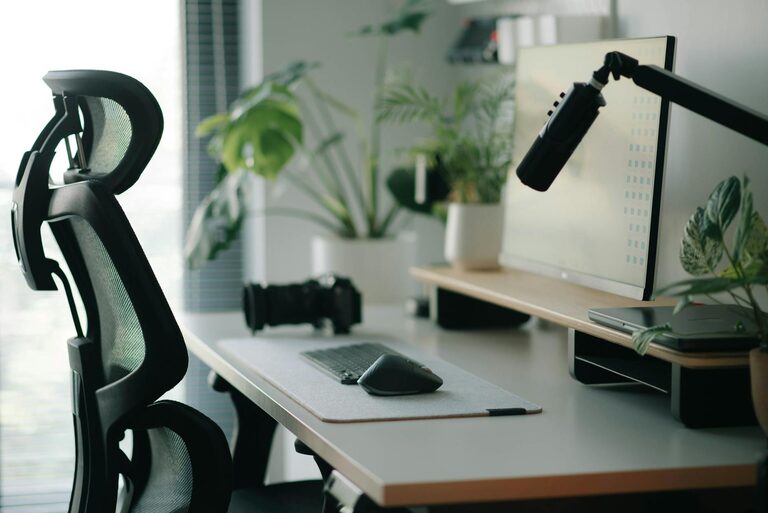
Comfort is key when spending long hours at your desk. An ergonomic chair supports your posture, while a desk at the right height can prevent strain on your wrists and shoulders.
Proper Desk Size
Ensure your desk has enough surface area for your computer, documents, and other work essentials, so you don’t have to constantly shuffle things around.
Declutter and Organise
Minimise Distractions
Keep your workspace tidy. Clutter can lead to distraction and stress, so only keep items that are necessary for your work.
Use Organisers and Storage
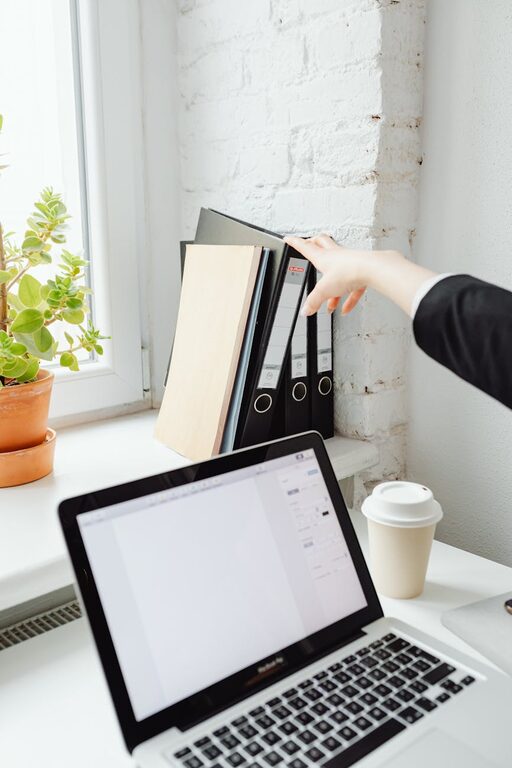
Utilise shelves, drawers, and organisers to store supplies neatly. Label boxes or files to find what you need quickly.
Set Up Technology Efficiently
Reliable Internet Connection
A stable and fast internet connection is crucial for video calls, cloud access, and research.
Essential Devices and Accessories
Make sure you have a good quality computer or laptop, a webcam, headphones, and other tools relevant to your job. Position your monitor at eye level to avoid neck strain.
Establish Boundaries and Routine
Set Work Hours
Define clear starting and finishing times to create a work routine. This reduces the risk of burnout and helps maintain a healthy balance between work and personal life.
Communicate Your Schedule
If you live with others, inform them of your work hours to minimise interruptions.
Personalise Your Space
Add Plants or Decorations
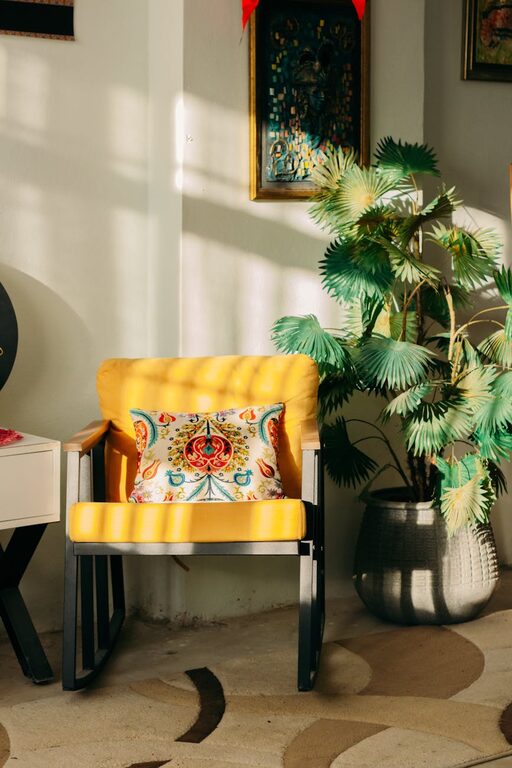
Plants not only improve air quality but also add calmness and life to your workspace. Personal items like photos or artwork can make the space inviting without causing distraction.
Use Colours That Inspire Productivity
Colours like blue and green are known to have calming effects and promote concentration. Avoid overly bright colours that may cause agitation.
Prioritise Comfort and Health
Take Regular Breaks
Follow the 20-20-20 rule: every 20 minutes, look at something 20 feet away for 20 seconds to reduce eye strain.
Keep Hydrated and Move
Have a bottle of water nearby and incorporate short stretches or walks to keep your body active during the day.
Manage Noise and Distractions
Use Noise-Cancelling Headphones
If your home environment is noisy, noise-cancelling headphones can help you focus better.
Background Music or White Noise
Some people find that soft background music or white noise helps concentration. Experiment to see what suits you best.
Improve Air Quality
Ensure your room has adequate ventilation. Fresh air keeps you alert and can improve overall well-being.
—
Final Thoughts
Creating a productive home office is about tailoring the space to your needs and habits. Taking time to arrange your environment thoughtfully will pay off in better focus, comfort, and work satisfaction. Start with the essentials and refine your setup over time to find what works best for you.
About the Author