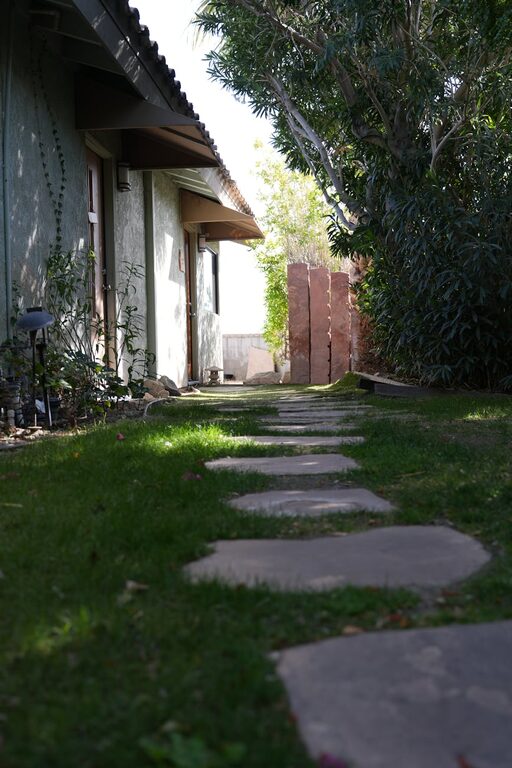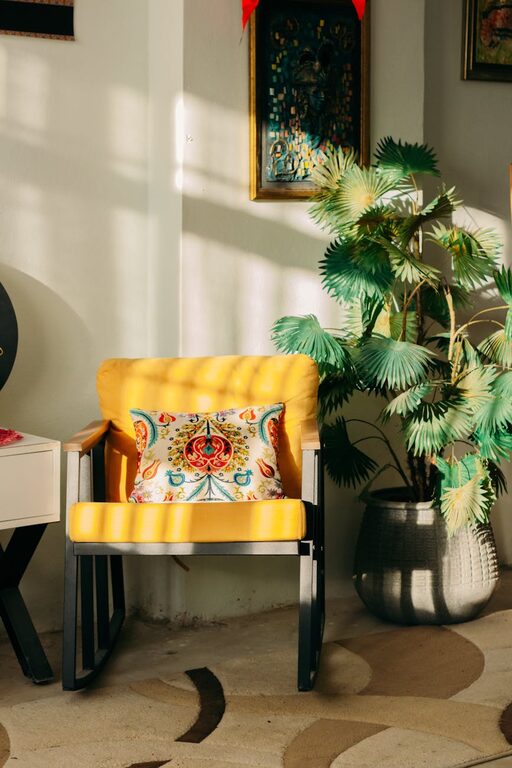
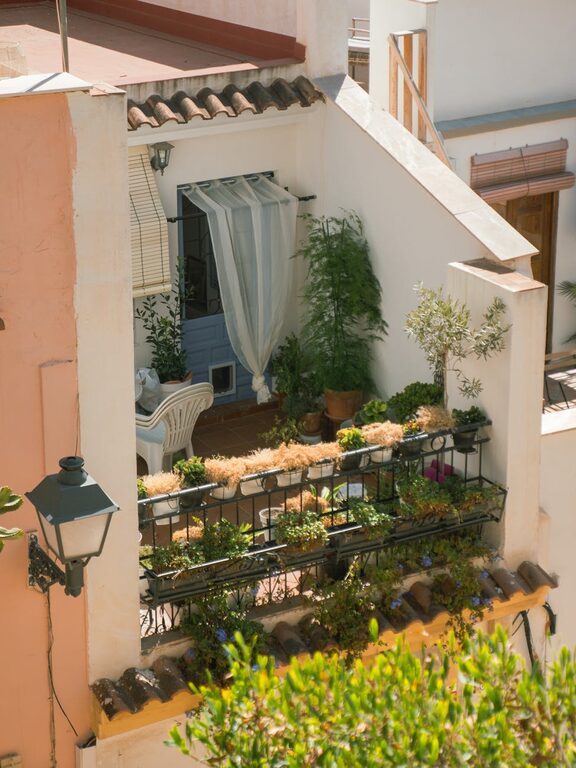
Creating a relaxing garden space at home is a wonderful way to enjoy the outdoors, reduce stress, and add beauty to your property. Whether you have a large backyard or just a small patio, there are plenty of ways to design a garden that feels calming and inviting. In this post, we will explore practical tips and ideas to help you build your personal sanctuary.
Why Create a Relaxing Garden?
A garden can be more than just a patch of greenery; it can serve as a peaceful retreat where you escape the hustle and bustle of everyday life. Spending time outdoors improves mood, encourages mindfulness, and even supports physical health. By intentionally designing a relaxing garden space, you create an environment that promotes wellbeing and enjoyment.
Planning Your Garden Space
Before purchasing plants or furniture, it’s important to plan your garden layout carefully.
Assess Your Space
– Measure the available area and note features such as sunlight patterns, shade, wind exposure, and soil type.
– Consider how you want to use the garden—do you want a quiet reading nook, an area for yoga, or a place to entertain guests?
– Identify existing elements you want to keep or improve, such as mature trees or pathways.
Choose a Style
Selecting a consistent style helps make the garden feel cohesive. Some popular choices include:
– Naturalistic: Emphasising native plants and organic shapes.
– Formal: Symmetrical and orderly layouts with trimmed hedges.
– Cottage: A charming, informal look with colourful flowers.
– Zen: Minimalist design inspired by Japanese gardens, focusing on simplicity and tranquility.
Choosing your style early guides plant selection and decorating choices.
Selecting Plants for Relaxation
Plants are central to creating a calming atmosphere. Here are some tips to choose the right greenery.
Opt for Soothing Colours
Soft greens, blues, purples, and whites are known for their relaxing effects.
– Lavender and rosemary offer fragrant scents and calming purple hues.
– Ferns and hostas provide lush greenery perfect for shady spots.
– White flowering plants like jasmine can add delicate beauty and a sweet scent.
Use a Mix of Textures
Combining different leaf shapes and plant heights adds visual interest and a gentle, natural vibe.
Include Scented Plants
Fragrance can enhance relaxation; consider herbs, gardenias, or sweet peas near seating areas.
Prioritise Low Maintenance
Choose plants that suit your climate and soil to keep gardening stress-free.
Creating Comfortable Seating Areas
No relaxing garden is complete without a comfortable place to sit and enjoy the surroundings.
Choose the Right Furniture
– Weather-resistant materials like teak, aluminium, or rattan work well outdoors.
– Include cushions and throws for added comfort.
– Consider a hammock or swing chair for a cosy touch.
Position for Peace
– Place seating where you can enjoy the best views and shelter from strong winds.
– Add umbrellas or pergolas to provide shade during sunny days.
Incorporate Tables
Small tables are handy for drinks, books, or garden tools.
Adding Water Features
Water brings gentle sounds that promote calm and mask noise from nearby streets.
Popular Choices
– Fountain: The sound of flowing water is soothing and visually attractive.
– Birdbath: Attracts wildlife, adding life and movement.
– Small pond: Offers a tranquil spot to watch aquatic plants and insects.
Water features also help humidify the air, which can be pleasant on warm days.
Using Lighting to Enhance Ambience
Soft lighting can extend the usability of your garden into the evening while enhancing its relaxing atmosphere.
Ideas for Garden Lighting
– Solar-powered lanterns placed along pathways.
– Fairy lights draped around trees or pergolas.
– Ground-level spotlights highlighting plants or water features.
Choose warm white bulbs rather than harsh, bright lights to maintain a calming mood.
Incorporating Natural Elements
Beyond plants and water, other natural elements can deepen the peaceful feeling.
– Stone: Use natural stones for pathways or seating areas to anchor the space.
– Wood: Wooden fences, benches, or sculptures add warmth.
– Mulch or gravel: These materials reduce weeds and add texture.
Maintaining Your Garden
A well-tended garden feels inviting and encourages relaxation.
– Water regularly but avoid overwatering.
– Keep paths clear and tidy.
– Prune plants to maintain shape and health.
– Remove weeds and fallen leaves promptly.
Maintenance routines don’t have to be lengthy; even short, consistent care keeps your garden welcoming.
Final Thoughts
Transforming your garden into a relaxing space is about paying attention to your personal preferences and creating a harmony between plants, design, and comfort. With thoughtful planning and simple touches, you can craft a garden retreat at home that invites peace and pleasure day after day.
Take your time, enjoy the process, and let your garden become your favourite escape.
About the Author