Working from home has become a standard part of many people’s lives. Creating a relaxing home office environment is key to maintaining focus, comfort, and productivity throughout your workday. When your workspace feels calm and inviting, it’s easier to concentrate and feel motivated. In this post, we’ll explore simple yet effective ways to design a home office that supports both your wellbeing and work goals.
1. Choose the Right Location
Selecting the ideal spot for your home office is the first step in creating a relaxing environment.
– Quiet and private: Pick a space away from high-traffic areas in your home to minimise distractions.
– Natural light: Position your desk near a window, if possible. Natural light boosts mood and helps regulate your body clock.
– Adequate space: Ensure there’s enough room for your desk, chair, computer, and any other essentials without feeling cramped.
2. Invest in Comfortable Furniture
Comfort is crucial when you’ll be spending long hours at your desk. Poor posture and discomfort can drain your energy and reduce effectiveness.
– Ergonomic chair: Choose a chair that supports your lower back and encourages proper posture.
– Adjustable desk: Consider a height-adjustable desk to switch between sitting and standing.
– Footrest and cushions: Small additions like a footrest or cushion can improve comfort further.
3. Keep the Colour Palette Soothing
Colours influence how we feel and think. For a relaxing office, opt for calm, natural tones.
– Soft neutrals: Shades like beige, soft grey, or pale blue create a tranquil atmosphere.
– Avoid bright colours: Neon or very bright colours could be distracting or overstimulating.
– Personal touches: Add pops of colour through artwork or accessories to keep the space welcoming without overwhelming it.
4. Organise Your Space
A clutter-free desk helps reduce stress and improves focus.
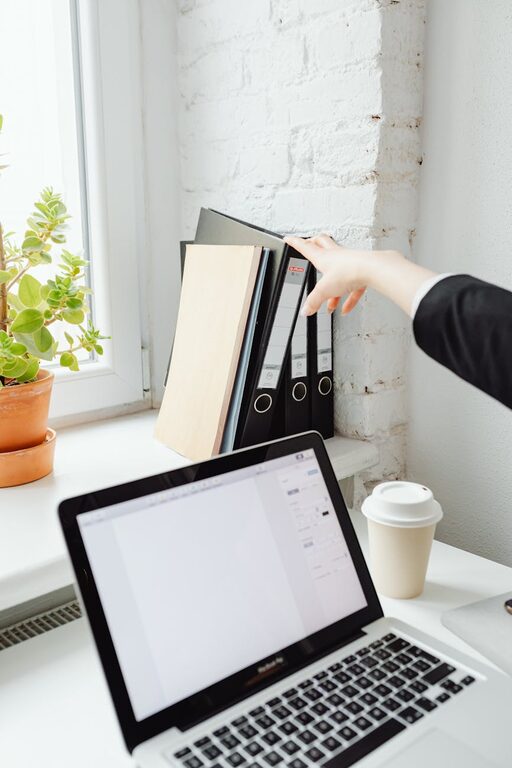
– Use storage solutions: Drawers, shelves, and organisers keep supplies neatly stored.
– Minimalist approach: Keep only essentials on your desk to maintain a tidy surface.
– Regular tidying: Spend a few minutes at the end of each day clearing away unnecessary items.
5. Incorporate Natural Elements
Bringing in elements from nature can help reduce stress and create a peaceful environment.
– Houseplants: Adding a few easy-care plants improves air quality and adds a calming green touch.
– Natural materials: Use wooden furniture, stone decorations, or woven baskets to create warmth.
– Nature views: If possible, arrange your workspace to face a garden or greenery outside.
6. Control Lighting for Comfort
Proper lighting reduces eye strain and supports concentration.
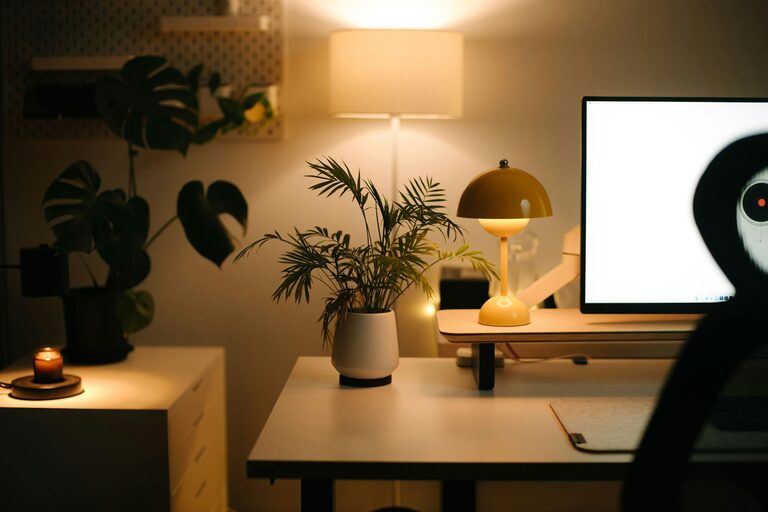
– Use layered lighting: Combine overhead lights with desk lamps.
– Avoid glare: Position screens and light sources to prevent reflections.
– Warm light bulbs: Choose bulbs with a warm colour temperature rather than harsh white light.
7. Add Personal Comforts
Personalising your space helps create a stronger connection to your work environment.
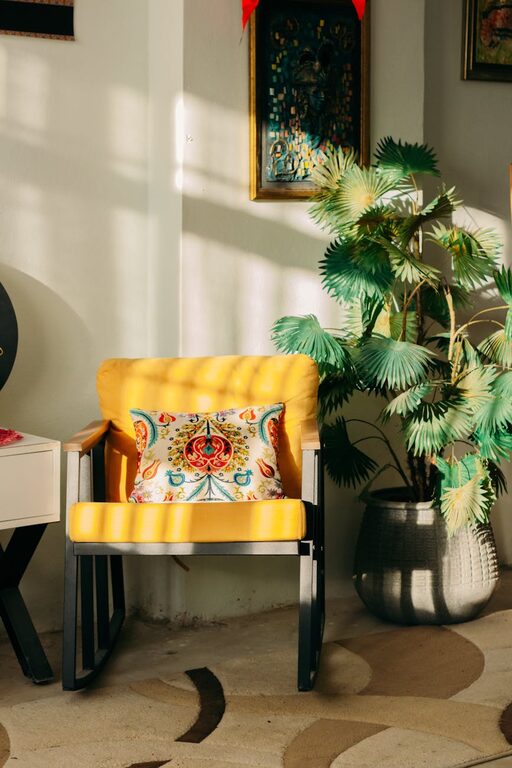
– Soft textiles: A cosy throw or chair cushion can make your office feel more inviting.
– Scent: Use subtle scents like lavender or citrus with candles or diffusers to improve mood.
– Background sounds: If silence feels too isolating, try calming instrumental music or ambient sounds.
8. Promote Good Air Quality
Fresh air has many benefits for mental clarity and physical health.
– Ventilation: Keep a window open if possible to circulate fresh air.
– Air purifiers: These can reduce dust and allergens, especially in small rooms.
– Regular cleaning: Dust and tidy your office routinely to maintain a healthy space.
9. Set Boundaries and Routine
Creating clear boundaries between work and home life helps maintain balance and reduces stress.
– Defined office hours: Stick to scheduled working times to avoid burnout.
– Breaks: Take regular short breaks to stretch, hydrate, and rest your eyes.
– Separate space: Try to keep your office area distinct from relaxation zones.
10. Optimise Technology Set-Up
Well-organised technology reduces frustration and keeps you focused.
– Cable management: Use clips, ties, or boxes to keep cords tidy.
– Reliable equipment: Invest in a good-quality keyboard, mouse, and headphones.
– Screen positioning: Set up your monitor at eye level to prevent neck strain.
—
Creating a relaxing home office environment doesn’t require a complete redesign. Small thoughtful changes can enhance both your comfort and productivity. Remember to tailor your space to what feels best for you personally — after all, your home office should be a place where you feel calm, focused, and ready to work.
About the Author